












!["Tubmanburg Ebola treatment unit takes shape [Image 9 of 9]" by DVIDSHUB is licensed under CC BY 2.0.](https://hbcurrent.com/wp-content/uploads/2026/06/15583419401_3a610739e9_c.jpg)








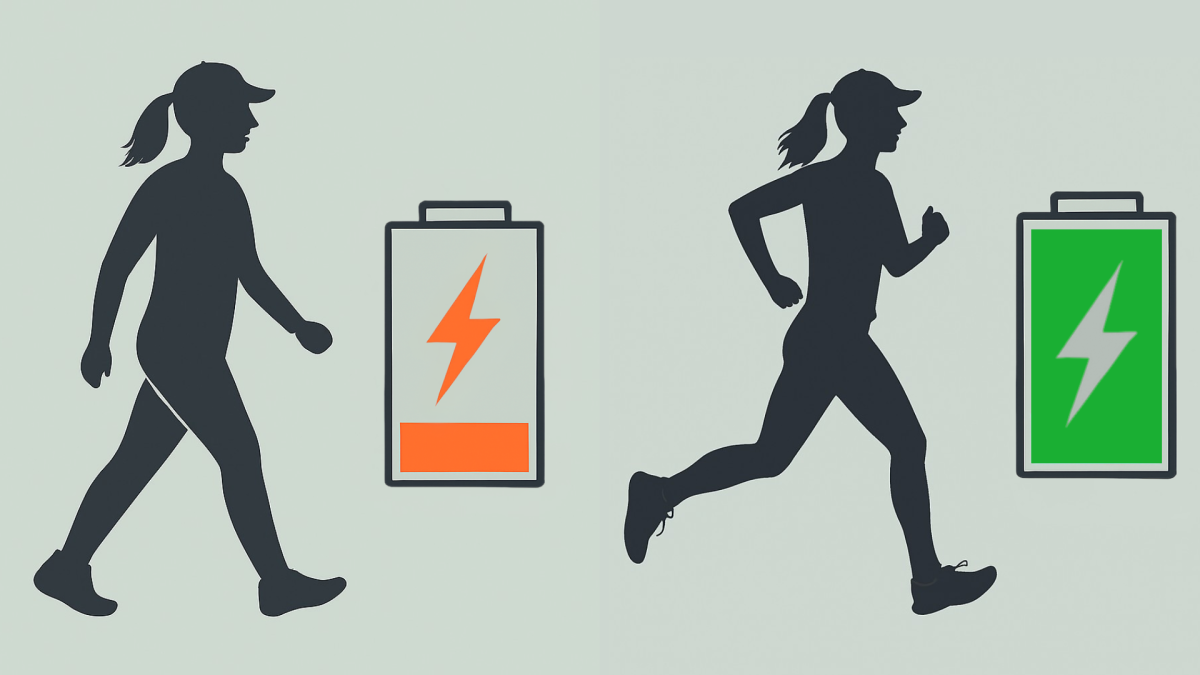
Studies suggest that a rough 60% of elite athletes and 30% of non-elite endurance athletes are affected by overtraining syndrome, a medical condition caused by excessive training. Overtraining Syndrome affects the physical and mental aspects of athletes. The main symptoms include muscle pain, anxiety, getting easily and frequently sick, and, in more severe cases, insomnia, fatigue, and depression. There is just one simple way to avoid Overtraining Syndrome, and that is rest.
Even if the risk is not necessarily Overtraining Syndrome itself, training for a few weeks at a high intensity, especially without prior training, highly increases the risk for injury. In a study published in the American Journal of Preventive Medicine, 1,357 army recruits were tested and given varying periods of rest. Out of those 1357 recruits, 236 (17%) were reported to have overuse injuries, and 144 (11%) were reported to have traumatic injuries. Up to 35 per 100 recruits had been shown to have any sort of injury.
The importance of rest cannot be stressed enough, but it is also not easy to maintain. After consistently training for such a long period, the question of what to do on a rest day, when to take one, and the fear of losing progress are all very real.
The most important thing to start with is when to take rest days. Megan Roche, a professional runner, coach, physician, and clinical researcher, says that most of her athletes take at least the Monday of each week off as a rest day, but after a race, it is important to rest more. For something like a 5k, 2-3 days is advisable, but it only goes up from there.
Sarah Lavender Smith, author of The Trail Runner’s Companion, says that it is better to take a rest day before a long run or workout, because if you take a rest day after, you end up overeating and lying around all day, causing lethargy and bloating.
This leads to the next problem many athletes face, which is what to do on these rest days. The answer is actually very simple. It is advised that you take a few hours to just sit and rest, maybe sleep, spend some time walking or moving in some way, and fuel your body as you normally would.
Lastly, it is important to remember that just 2-3 days of rest could end up saving you weeks or even months of dealing with injury. The progress lost in just a few days of recovery is practically none; if anything, it allows your body to build itself back up. Depending on the workout, your body needs a minimum of 36-48 hours to “reboot”, or it can’t benefit from all the work you just did. So, as you continue to improve, always listen to your body and rest.